You could have anxiety––and it’s 100 percent treatable
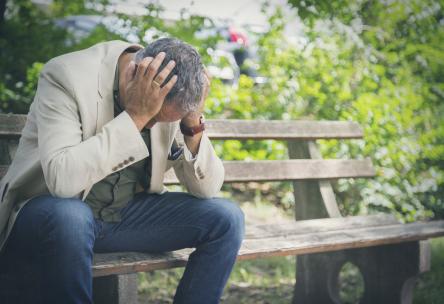
Whether from flying on a plane, paying bills, or even just watching the news, we all worry or stress sometimes. But if you find yourself fretting a lot lately, it might be something more: anxiety.
According to the Geriatric Mental Health Foundation, 10 to 20 percent of older adults suffer from anxiety. And to make matters worse, it often goes undiagnosed, because many seniors were brought up in a generation that didn't think of anxiety as a legitimate, serious medical condition.
If you have frequent fretting thoughts, there are plenty of people who can help. Here's how to tell if you have anxiety – and what to do to feel better soon.
What exactly does anxiety look like?
Unfortunately, many older adults are reluctant to say they have anxiety because they're worried about their doctor not taking them seriously – which isn't true. But how can you tell if what you're feeling is a typical worry, or you're suffering from anxiety?
According to the Anxiety and Depression Association of America, the most common physical signs of anxiety are a rapid heartbeat, backaches, headaches, agitation, and a loss of appetite. There are mental symptoms too, like racing thoughts or struggling for a sense of control. Older people often falsely tie these symptoms to impaired memory or dementia.
"When these worries become overwhelming and impair your ability to function on a daily basis, that could mean you have anxiety," explains Frank Sileo, a licensed psychologist and executive director of The Center of Psychological Enhancement. He recommends talking to your health-care provider if you think you (or a loved one) have anxiety. In the meantime, these stress-reducing tactics can help alleviate some of the fretting feelings you might have.
Connect with loved ones
According to Sileo, treating anxiety starts with strong social connections. "Social support can help you feel less alone," he explains. "Getting involved in an activity or learning something new can also help distract you from anxious thoughts."
Just breathe
Stephania Sciamano, a naturopathic doctor, works with a number of older clients who have anxiety. She says that breathing exercises can help relieve tension. "One of my favorite techniques is to discover where in their body they feel the anxiety physically," she explains. "We then focus on breathing into that part of the body: stomach, temples of the head, back, wherever."
Quiet your mind
Meditation and mindfulness have been known to reduce anxiety and boost overall mental health. Unsure how to start? There are plenty of meditation mobile apps to choose from.
Sip a warm cup of tea
Herbs like chamomile and lavender can help you relax. Sciamano recommends drinking chamomile tea in the morning or putting a few drops of lavender oil onto your pillow at night. However, be sure to check with your doctor before taking any herbal supplements, especially if you're using other medications.
Work up a sweat
Sileo recommends exercise for patients with anxious thoughts. "Working out can help you clear your head," he says. His favorite form of physical activity for stressed-out patients? Calming, meditative yoga or tai chi.
Fuel up on feel-good foods
Introduce stress-reducing foods into your diet, like blueberries and peaches, whole grains and oats, and avocados. And be sure to cut back on your intake of alcohol, caffeine, and sugar—too much stimulation from these substances can amplify worry and stress.