
Working out can help with depression, anxiety, and stress-reduction
The physical benefits of exercise are well known: Moving your body can help you maintain a healthy weight and it reduces heart attack risk, as well as the risk of some cancers and other diseases like Type 2 diabetes.
But there’s another reason altogether to work out. It’s good for the brain.
“Exercise can be very helpful for mild-to-moderate depression, mild-to-moderate anxiety, stress reduction, and self-esteem,” says Thomas Plante, PhD, ABPP, a psychology professor at Santa Clara University and an adjunct professor in psychiatry at Stanford Medical School. “It can be uplifting in both mood and energy.”
Exercise is better with a buddy
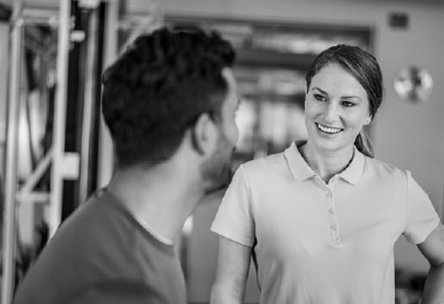
There’s evidence to suggest that how and where you work out matters. So does whether you sweat alone or with someone else, and even who that partner is.
“We’ve done a variety of studies on this,” says Dr. Plante, who has researched the psychological benefits of exercise for nearly four decades. “People tend to enjoy their exercise more when they’re with a friend versus with a stranger, when interacting versus not interacting. Enjoyment matters because if you enjoy what you do, you’re more likely to keep doing it.”
That being said, your personal goals may determine whether you work out alone or with buddies. According to Dr. Plante, group exercise is invigorating but may not reduce stress as well as working out solo.
Go green
What’s around you also affects your enjoyment of the physical activity and in turn, its mental health benefits. Stay inside or head outdoors? Dr. Plante suggests the latter, when possible.
“As a rule, people like to be outside as long as the conditions are good,” he explains. “A park, a walking or biking trail, something that is nature-based seems to perk people up.”
Of course, it has to be safe and comfortable, he adds, suggesting that in bad weather activity should come indoors.
Bottom line
In truth, the key is to make sure you’re doing something.
“It doesn’t have to be fancy; it doesn’t have to be expensive,” Dr. Plante says. “Try to do something that’s fun, that will be doable and sustainable and safe. You don’t have to win any medals. It can just be fun and pleasant. Any movement is better than sitting on the couch.”
For physical health, of course, but as it turns out, for mental health, too.