
Try these tricks for a softer landing
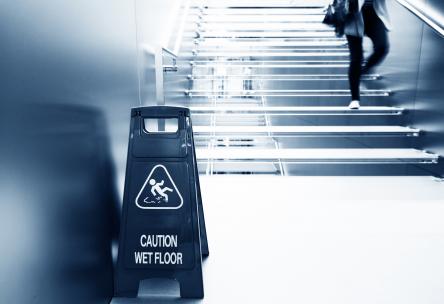
Stuntmen make a living taking a fall, and they have mastered ways to do it without getting hurt. You don’t need to be in a Hollywood action movie to learn from their techniques. Especially as you get older, learning how to fall correctly isn’t just about looking more graceful—it can also help prevent serious injuries and complications.
According to the Centers for Disease Control and Prevention, more than one in four Americans ages 65 and older falls each year. Every 11 seconds, an older adult is treated in the ER for a fall. Head and hip injuries are particularly dangerous. Jonathan Pisarski, a physician’s assistant at Mount Auburn Hospital in Massachusetts, sees many injuries from falls each day, especially among older people. “Even a person living in a nursing home is prone to falling,” Pisarski says. Constant supervision and assistance aren’t guaranteed to prevent falls.
The next best thing to not falling at all is falling correctly. The most important thing when you fall is to avoid a hard landing. Try these tips to ease the impact.
- Keep it loose. It’s natural to tense up to brace yourself, but stiffening can actually make it more likely that you’ll get hurt. Keep your knees and elbows bent to cushion your landing, so that your wrists and elbows don’t bear all of your weight.
- Roll with it. Stuntmen soften the impact on their body by turning falls into rolls. This is a way to spread the impact out over a larger area so it’s not concentrated in one spot.
- Protect your head. Head injuries from falls are among the most serious kind. Tucking your chin or turning your face to the side can help you land more on your shoulder or back.
- Know your soft spot. Muscles hold up better than bones when they hit the ground. It’s better to absorb your landing with big muscle groups on your butt, back, or thighs. Keeping loose, bent, and tucked can help with this.
What you do before a fall is also important. Exercises that build strength and help with balance can help you prevent falls, but they can also help you use these falling techniques more effectively. Simple strength exercises or tai chi are good examples.
For older adults, breaking a hip can be devastating and sometimes fatal. “Breaking a hip requires surgery and rehabilitation,” says Pisarski. “The life expectancy of an older person who breaks a hip drops to the same level as with certain cancers.” According to a study by Kaiser Permanente, women ages 65 to 69 who break a hip are five times more likely to die within a year than women the same age who don’t break a hip.
Of course, the best way to avoid getting hurt from a fall is to stop it from happening. Use these strategies to prevent falls.
- Keep it slow and steady. If you are lying down, don’t go straight to standing. First sit up on the edge of your bed or couch for a moment to adjust. When you stand, wait for a moment before you start to walk or move.
- Clear the way. Keep things off the floor and make a clear path for walking. If you use a cane or walker, allow enough room to maneuver it.
- Shed some light. Add lamps and outdoor lighting, if needed, so you can clearly see where you are going. Consider adding voice-activated light switches or timers that can automatically turn on lights when it gets dark.
- Treat your feet. Good shoes can help you balance better and be more stable. Avoid high heels or open-toed shoes.
- Use a pro. Some physical therapists can do home evaluations and help you with strategies to keep you safer in and around your house.